
Influence Without Infrastructure Is Just Noise: What Executives and PR Pros Need to Know About Building Real Visibility
Quick Answer: According to executive brand strategist Chanel Rae Pettaway, influence built without strategic infrastructure behind it is unsustainable. For founders, executives, and public figures, real visibility is rooted in cultural intelligence, consistent positioning, and brand ecosystems designed for long-term commercial outcomes — not viral moments.
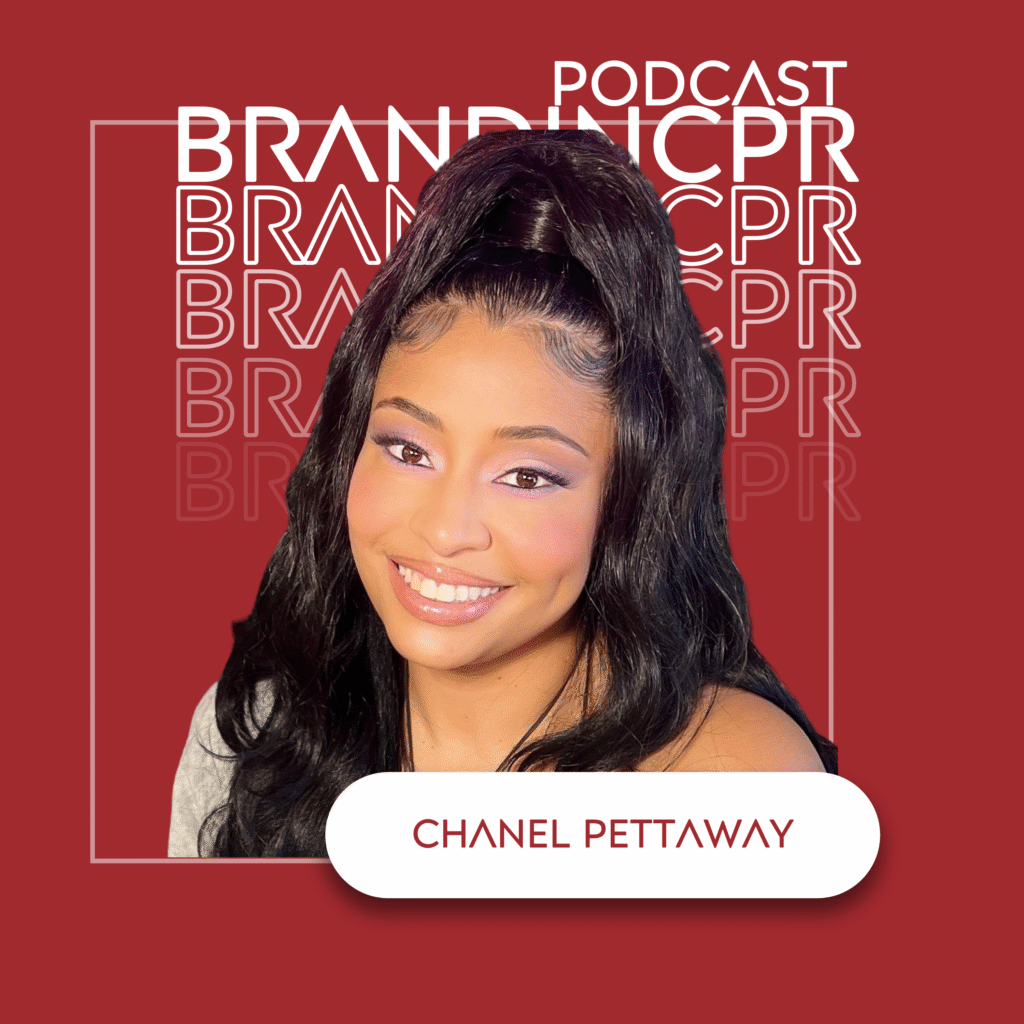
In the latest episode of the Brandinc PR Podcast, host Dr. Brandi Sims sits down with Chanel Rae Pettaway — also known as “The Culture Princess” — Co-Founder of The Legion Media Group, EVP of Executive Brand & Visibility, and one of the most sought-after brand strategists working at the intersection of culture, media, and business.
Chanel has spent over a decade advising C-suite leaders, founders, showrunners, media owners, and public figures including organizations such as WWE, SiriusXM/Pandora, Hot 97, Revolt, Jimmy Jazz, and the NBA. Most recently, she led strategic PR and media execution for Newark, NJ Mayor Ras J. Baraka’s gubernatorial campaign. Her work has been recognized by Black Enterprise, XXL, AllHipHop, Urban Magazine, and the NAACP.
This episode is a masterclass in what it actually means to build influence with intention — and why the executives and founders who will win in 2026 are not the loudest ones. They are the most strategically positioned.
Why Influence Without Infrastructure Fails
In a media landscape where anyone can go viral overnight, the temptation for executives and founders is to chase the moment. But Chanel Rae Pettaway has spent her career building what comes after the moment — and she’s clear on the distinction.
Visibility is not the same as authority. Reach is not the same as revenue. And a viral post without a brand ecosystem behind it is, as Chanel puts it directly: just noise.
In 2026, visibility has become a performance metric — executives, founders, and high-growth brands are now expected not only to build and operate, but to communicate, influence, and lead their markets through narrative. Perception shapes opportunity. Credibility determines access. Authority drives demand. mexc
Chanel’s work at The Legion Media Group is built around exactly this principle: aligning cultural relevance with commercial objectives, and building brand ecosystems that generate measurable business outcomes — not just impressions.
Cultural Intelligence Is Now a Business Strategy
One of the most important frameworks Chanel brings to this episode is the concept of cultural intelligence as a business strategy — not a marketing tactic.
For too long, “culture” has been treated as a soft layer on top of a brand communications plan. Chanel’s approach flips that. For the executives, founders, and public figures she advises, cultural fluency is the foundation — the thing that determines whether a message lands, a partnership converts, or a campaign creates lasting equity.
Industry research supports this: relevance beats reach when culture is the currency. Audiences want leaders who add value, not volume. The leaders who will thrive in 2026 won’t be the loudest — they’ll be the most culturally intelligent, operating with fluency and sensitivity while making business decisions with an understanding that multicultural America is the mainstream. Qwoted
This is the work Chanel does every day. And in this episode, she breaks down how any executive, founder, or PR professional can start applying it.
5 Key Takeaways From This Episode
- Influence built without infrastructure doesn’t convert. Viral moments fade. Brand ecosystems compound. Chanel explains the difference and how to build the latter.
- Cultural intelligence is a business discipline. Understanding culture isn’t a creative luxury — it’s how executives stay relevant, build trust, and create commercial outcomes in a fragmented media landscape.
- Authority and recognition are not the same thing. Being known and being trusted are two different positions. Chanel breaks down how to move from one to the other.
- Reputational risk management starts before the crisis. For executives operating at a high level of visibility, proactive brand architecture is the best crisis communications strategy.
- PR professionals need to evolve into brand architects. The communicators who will be most valuable in 2026 are those who understand executive brand strategy, not just media relations.
What This Means for PR and Communications Professionals
This episode is essential listening not just for executives and founders — but for the PR professionals and communications strategists who advise them.
Research shows that executives with strong personal brands close deals 60% faster, attract three times more qualified candidates, and create measurable business value averaging $2–5 million annually through enhanced credibility, network access, and market positioning. As a communications professional, understanding how to build and protect that value is one of the most powerful services you can offer. Envisionit
Chanel’s career — spanning entertainment, fashion, technology, government, and media — is a masterclass in how to translate cultural relevance into commercial strategy across industries. The frameworks she shares in this episode apply whether you’re advising a Fortune 500 executive, a founder-led startup, or a public figure navigating a brand pivot.
About Chanel Rae Pettaway
Chanel Rae Pettaway is Co-Founder of The Legion Media Group, a New York City-based PR and brand strategy firm, and EVP of Executive Brand & Visibility. She has advised senior leaders across music, media, fashion, technology, entertainment, and government — including organizations such as WWE, SiriusXM/Pandora, Hot 97, Revolt, Jimmy Jazz, and the NBA. She is a contributor to Mirren, co-host of Our First Time: A MommyCast, and has been recognized by Black Enterprise, XXL, AllHipHop, Urban Magazine, and the NAACP.
Listen to the Full Episode
🎙️ https://open.spotify.com/show/5jpQvtyiJm1vqbfGtAgau6?si=8Gp6r4YgSam0H0SDzL11Rw
Available on Spotify, Apple Podcasts, and YouTube. Search Brandinc PR Podcast wherever you listen.
Frequently Asked Questions
What is executive brand strategy and why does it matter in 2026? Executive brand strategy is the deliberate process of positioning a leader’s identity, expertise, and public presence to support both personal and business objectives. In 2026, it matters because digital-first impressions, AI-driven discovery, and cultural fragmentation mean that leaders who don’t actively shape their narrative risk having it shaped for them.
What is the difference between personal branding and executive brand strategy? Personal branding typically focuses on an individual’s content, social presence, and online visibility. Executive brand strategy goes deeper — it encompasses brand architecture, reputation management, cultural positioning, revenue strategy, and long-term brand ecosystem development designed to drive commercial outcomes.
How do executives build influence before they go viral? According to Chanel Rae Pettaway, building influence before a viral moment requires establishing clear brand identity, consistent cultural positioning, strategic media relationships, and a brand ecosystem that can absorb and convert attention when it arrives. Influence built on infrastructure compounds over time. Influence built on a single moment fades.
What is cultural intelligence in brand strategy? Cultural intelligence in brand strategy is the ability to understand, navigate, and leverage cultural dynamics to position a brand or leader in ways that resonate authentically with target audiences. It goes beyond demographic targeting to include a deep understanding of values, community, narrative, and how culture shapes consumer behavior and media reception.
What should PR professionals know about executive visibility strategy? PR professionals advising executives in 2026 need to understand that visibility strategy is not just about media placement. It encompasses brand architecture, narrative consistency across platforms, reputational risk management, and the alignment of a leader’s public presence with the commercial objectives of their organization.
The Brandinc PR Podcast is hosted by Dr. Brandi Sims, Founder & CEO of Brandinc PR, Forbes contributor, and strategic communications expert with 15+ years of experience in PR, entertainment, and brand strategy. New episodes drop weekly.
Connect with Brandinc PR: brandincpr.com